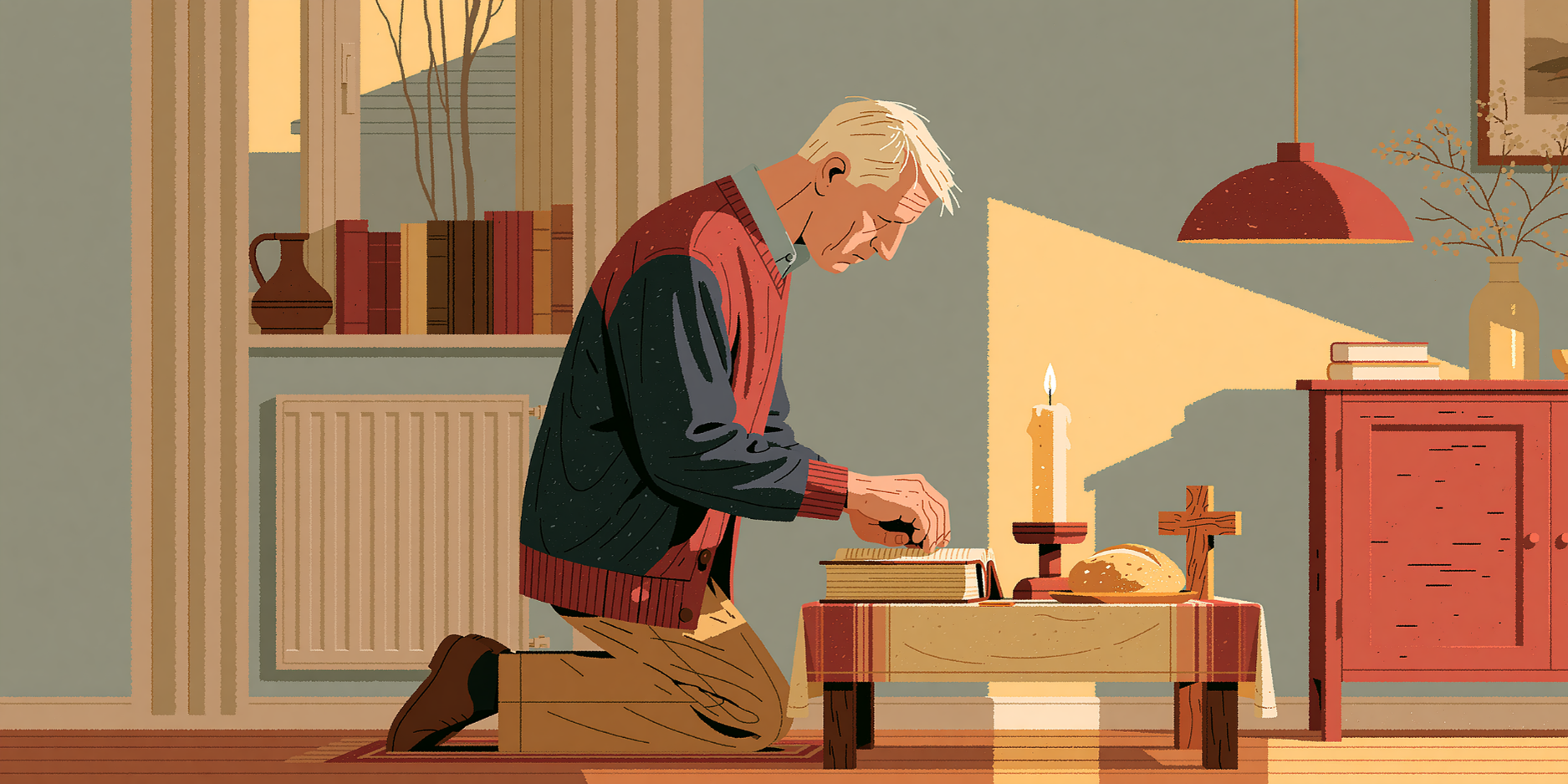
Clear belief facts
Facts About Christianity Beliefs: What Beginners Should Know
Short answer: Facts about Christianity beliefs should be clear, accurate, and not sensational. Christianity centers on God, Jesus Christ, the Bible, salvation, prayer, worship, grace, church life, and hope. Many Christians share these beliefs, while Catholic, Protestant, Orthodox, and other traditions differ on authority, sacraments, worship, and interpretation.
Simple summary
- This page gives clear facts about Christianity beliefs without fake numbers, sensational claims, or denominational attacks.
- Facts need context because Christianity is both shared and diverse across many traditions.
- Beginners should learn what many Christians share and where traditions often differ.
Key points
- Christianity is centered on God, Jesus Christ, Scripture, salvation, worship, prayer, and hope.
- Many Christians believe Jesus is crucified and risen and central to salvation.
- The Bible is sacred Scripture, but Christian traditions differ on canon and authority.
- Christianity includes many denominations and church families.
- Not every popular claim about Christianity is accurate without context.
- Facts about Christianity beliefs should use careful wording such as many Christians believe or most Christians believe.
Important Facts About Christianity Beliefs
Facts about Christianity beliefs are most useful when they are clear and contextual. A fact should help the reader understand Christian faith better, not simply sound surprising. Christianity is a global religion with many traditions, languages, worship styles, and histories. A fact that is accurate for one group may need careful wording before applying it to all Christians.
Most Christians believe in one God who is Creator, holy, loving, just, merciful, and worthy of worship.
Christians believe Jesus Christ reveals God and is central to salvation, forgiveness, resurrection, and hope.
Christians read the Bible in worship, preaching, study, prayer, and moral reflection.
Grace means God’s undeserved help and mercy, especially in relation to salvation and forgiveness.
Christians pray to praise, confess, thank, ask, listen, lament, and seek guidance.
Some churches use ancient liturgy; others use informal services, preaching, contemporary music, silence, or expressive prayer.
Christians connect baptism with belonging to Christ, water, identity, grace, repentance, and church life.
Christians connect the meal with Jesus, remembrance, presence, thanksgiving, grace, and unity.
Catholic, Orthodox, Protestant, Anglican, Baptist, Methodist, Lutheran, Presbyterian, Pentecostal, and other traditions have distinct emphases.
Many Christians believe in resurrection, final judgment, eternal life, and God’s final justice.
Love of God and neighbor, forgiveness, generosity, honesty, and service are tied to Christian teaching.
Because traditions differ, accurate explanations often use many Christians believe, most Christians believe, or some denominations differ.
These facts are not trivia. Each one helps answer a real beginner question: Who do Christians worship? Why does Jesus matter? Why is the Bible important? Why are there churches with different worship styles? Why do Christians talk about grace, forgiveness, and eternal life?
Facts Beginners Often Get Wrong
Beginners often hear claims about Christianity that contain a piece of truth but need context. A claim may be too broad, too narrow, or based on one local church. The table below gives more accurate wording for common claims.
| Common Claim | More Accurate Explanation |
|---|---|
| Christians all believe exactly the same thing. | Many Christians share central beliefs, but traditions differ on authority, sacraments, interpretation, and worship. |
| Christianity is only about rules. | Christian moral teaching matters, but Christianity centers on God, Jesus, grace, worship, salvation, and new life. |
| Catholics are not Christians. | Catholics are Christians and belong to one of the largest branches of Christianity. |
| Protestants are one denomination. | Protestant is a broad family with many traditions, including Lutheran, Baptist, Methodist, Presbyterian, Pentecostal, Anglican, and others. |
| The Bible is used the same way everywhere. | Christians share reverence for Scripture, but differ on canon, authority, interpretation, and liturgical use. |
| Formal worship is not sincere. | Formal and informal worship can both be sincere; style alone does not measure faith. |
| Grace means choices do not matter. | Grace means God’s mercy comes first, but Christian traditions still teach repentance, love, and transformed life. |
Facts About Christian Denominations
Christian denominations are one reason facts about Christianity beliefs need context. A statement about a Baptist church may not describe a Catholic parish. A statement about an Orthodox liturgy may not describe a Pentecostal prayer meeting. A statement about one non-denominational church may not describe all evangelical churches.
| Area | Simple Fact | Important Difference |
|---|---|---|
| Authority | Christian churches teach and organize belief through authority structures. | Catholic, Orthodox, and Protestant structures differ significantly. |
| Baptism | Baptism is widely practiced with water. | Infant baptism, believer’s baptism, immersion, pouring, and sprinkling differ. |
| Communion or Eucharist | The Christian meal is connected to Jesus and worship. | Traditions differ on real presence, memorial meaning, and who may receive. |
| Bible | The Bible is sacred Scripture. | Old Testament canon and interpretive authority differ. |
| Worship | Christians gather for prayer, Scripture, praise, and teaching. | Services may be liturgical, informal, charismatic, quiet, or sacramental. |
| Prayer | Prayer is central to Christian life. | Prayer books, rosaries, icons, spontaneous prayer, and silence vary. |
| Church leadership | Churches have leaders who teach and guide. | Pope, bishops, priests, pastors, elders, synods, conferences, and congregations may function differently. |
These facts do not mean every difference is equally important. Some differences are about style. Others involve deep doctrine. A careful reader asks which category a difference belongs to before drawing conclusions.
Why Facts Need Context
Facts need context because Christianity is global, historical, and diverse. A sentence that begins all Christians believe may be inaccurate if a real Christian tradition differs. A sentence that begins some Christians believe may be too weak if the belief is central across historic Christianity. Careful wording matters.
Context also prevents false impressions. Saying Christians read the Bible is true, but it needs more detail. Catholics, Protestants, and Orthodox Christians may read the Bible in different worship settings and with different views of tradition. Saying Christians practice communion is true, but the meaning of communion or Eucharist differs strongly across traditions.
A concrete example is worship music. It is a fact that many churches sing. But singing can mean chant, hymns, contemporary worship songs, psalms, choir music, or simple congregational songs. The fact becomes more useful when the reader understands the range of practice.
How Belief Facts Show Up in Real Life
Facts about Christianity beliefs show up in ordinary life. Belief in prayer may shape how a family begins a meal or responds to illness. Belief in Scripture may shape a sermon, a classroom lesson, or a personal reading plan. Belief in grace may shape confession and forgiveness. Belief in church may shape weekly worship and community service.
A student researching Christianity should therefore look for both belief and practice. A church website may list beliefs, but a service shows how those beliefs are prayed, sung, preached, and shared. A catechism or denominational statement may explain doctrine, while a congregation shows how doctrine forms habits.
This does not mean personal experience replaces official teaching. It means both should be understood in their proper place. Official teaching explains what a tradition claims. Practice shows how people live it.
Beginner Examples for Understanding Facts About Christianity Beliefs
One useful way to study facts about Christianity beliefs is to connect each teaching with something a reader can observe. If the topic is God, look for prayer, praise, thanksgiving, and moral responsibility. If the topic is Jesus Christ, listen for how Christians speak about the cross, resurrection, forgiveness, and hope. If the topic is the Bible, notice how Scripture is read in worship, quoted in teaching, and used in personal study.
Another beginner example is a church visit. A visitor may see people sing, pray, listen to Scripture, hear preaching, celebrate baptism, receive communion or Eucharist, give offerings, or greet one another. Those actions are not isolated customs. They are practices connected to Christian beliefs about God, Jesus, grace, community, and daily life. Different traditions may arrange those practices differently, but the connection between belief and practice remains important.
A third example is a family or classroom discussion. Someone might ask why Christians pray before meals, why churches use different Bible translations, why some Christians baptize infants, why communion is treated with special reverence, or why denominations have different names. These questions are not distractions. They are often the doorway into understanding facts about Christianity beliefs in a more concrete and careful way.
Careful Wording for Facts About Christianity Beliefs
Careful wording matters when explaining facts about Christianity beliefs. Some beliefs are widely shared across Catholic, Orthodox, and many Protestant traditions. Other beliefs are explained differently by denomination, region, or local church. A clear article should say many Christians believe, most Christians believe, Catholic teaching says, many Protestants believe, Eastern Orthodox Christianity teaches, or some denominations differ when accuracy requires it.
For example, it is safer to say many Christians believe the Bible is sacred Scripture than to say every Christian uses the Bible in exactly the same way. It is safer to say Christians practice baptism widely than to say all Christians explain baptism the same way. It is safer to say many Christians believe in heaven, hell, resurrection, and final judgment than to claim every tradition describes the afterlife with the same details.
Careful wording is not hesitation. It is honesty. It helps students, parents, new believers, and curious readers learn without being misled by overbroad claims. It also avoids turning one denomination’s teaching into the definition of all Christianity.
Common Confusions About Facts About Christianity Beliefs
Many readers misunderstand facts about Christianity beliefs because they hear one sentence without context. A short claim may be partly true but still misleading. The table below gives a cleaner way to think about common confusions.
| Confusing claim | Clearer beginner explanation | Why the difference matters |
|---|---|---|
| Christians all explain this the same way. | Many Christians share central beliefs, but traditions differ on authority, sacraments, worship, and interpretation. | It prevents overgeneralizing from one church experience. |
| Christianity is only rules. | Christian teaching includes moral formation, but it begins with God, Jesus Christ, grace, worship, and hope. | It keeps doctrine, practice, and daily life connected. |
| Differences mean there is no shared faith. | Many Christians share major beliefs while disagreeing on important details. | It avoids both exaggerating and minimizing differences. |
| A worship style proves the whole theology. | Worship style may show a tradition’s habits, but doctrine and authority need separate explanation. | It keeps readers from judging only by music, clothing, or building style. |
| One local church represents all Christians. | A local congregation may reflect denomination, culture, leadership, and community history. | It encourages fair comparison and better questions. |
What Facts About Christianity Beliefs Looks Like in Real Life
In real life, facts about Christianity beliefs appears in ordinary practices. A person may hear Scripture read aloud, watch a baptism, see people receive communion or Eucharist, listen to a sermon, join a prayer, or notice how a church cares for children, visitors, the sick, and the poor. Those moments show how belief becomes visible.
A beginner can learn by asking simple observation questions. What is repeated in the service? What words are used for God and Jesus? How is the Bible treated? Is the worship formal, informal, quiet, expressive, sacramental, preaching-centered, or a mixture? How does the community practice forgiveness, generosity, teaching, and care?
These questions are useful because Christianity is learned through both explanation and practice. A written statement may describe a belief, but worship shows how the belief is prayed. A table may summarize differences, but a church service shows how those differences feel. A classroom definition may explain grace, but confession, forgiveness, and service show why grace matters.
This kind of observation also helps families and students. A parent can ask a child what they noticed about prayer or kindness. A student can compare what a source says with what a church actually does. A new believer can write down which words are repeated in worship. These small practices turn a broad topic into understandable steps.
For example, if a reader hears the words grace, mercy, and forgiveness several times in a service, that repetition is a clue about what the community values. If Scripture is read before the sermon, that shows how teaching is connected to the Bible. If people serve food, visit the sick, or give to local needs, that shows how belief can move into neighbor love.
The goal is not to judge every church quickly. The goal is to understand facts about Christianity beliefs with enough patience to notice the shared Christian center, the tradition-specific details, and the everyday practices that make belief concrete.
Useful Fact Cards
Christian belief is not only general belief in God; Jesus is central to salvation, forgiveness, resurrection, and hope.
Christians receive Scripture as sacred, though canon and interpretation can differ by tradition.
Differences may involve authority, sacraments, worship, leadership, and theological emphasis.
Prayer, worship, baptism, communion or Eucharist, service, and forgiveness make beliefs visible.
Fact, Context, and Common Mistake
| Fact | Context | Common mistake |
|---|---|---|
| Christians believe in God. | Historic Christianity speaks of one God and often uses Trinitarian language. | Assuming Christian belief is only vague spirituality. |
| Christians read the Bible. | Traditions may differ on canon, translation, and interpretation. | Assuming every church reads every passage the same way. |
| Christians worship in churches. | Worship may be liturgical, informal, sacramental, sermon-centered, or charismatic. | Confusing style with the whole doctrine. |
| Christians belong to denominations. | Denominations can reflect authority, history, theology, culture, and practice. | Treating every difference as either meaningless or hostile. |
Conclusion: Facts About Christianity Beliefs
Facts about Christianity beliefs should be clear, careful, and useful. Christianity centers on God, Jesus Christ, Scripture, salvation, grace, prayer, worship, church life, and eternal hope. Many Christians share these beliefs, but traditions differ on authority, sacraments, Bible interpretation, worship, and some doctrines.
The best facts are not sensational. They help beginners understand what Christians mean, how beliefs are practiced, and why differences exist. A fact becomes more helpful when it includes enough context to avoid confusion.
Frequently asked questions
What are important facts about Christianity beliefs?
Important facts include Christian beliefs about God, Jesus Christ, the Bible, salvation, grace, prayer, worship, church, and eternal life. A useful fact should clarify a real question rather than add trivia. It should also include enough context to avoid fake certainty, exaggerated claims, or invented statistics. A beginner should notice both the shared belief and the way different traditions explain it in worship, teaching, and daily life.
Do Christians all believe the same facts?
Many Christians share central beliefs, but traditions differ on authority, sacraments, worship, interpretation, and some doctrines. A useful fact should clarify a real question rather than add trivia. It should also include enough context to avoid fake certainty, exaggerated claims, or invented statistics. A beginner should notice both the shared belief and the way different traditions explain it in worship, teaching, and daily life.
What is one key fact about Jesus in Christianity?
Christians believe Jesus Christ is central to salvation, forgiveness, resurrection, and Christian hope. A useful fact should clarify a real question rather than add trivia. It should also include enough context to avoid fake certainty, exaggerated claims, or invented statistics. A beginner should notice both the shared belief and the way different traditions explain it in worship, teaching, and daily life.
What is one key fact about the Bible?
Christians receive the Bible as sacred Scripture, though traditions differ on canon, authority, and interpretation. A useful fact should clarify a real question rather than add trivia. It should also include enough context to avoid fake certainty, exaggerated claims, or invented statistics. A beginner should notice both the shared belief and the way different traditions explain it in worship, teaching, and daily life.
Are Catholics Christians?
Yes. Catholics are Christians and belong to one of the largest branches of Christianity. A useful fact should clarify a real question rather than add trivia. It should also include enough context to avoid fake certainty, exaggerated claims, or invented statistics. A beginner should notice both the shared belief and the way different traditions explain it in worship, teaching, and daily life.
Is Protestant one denomination?
No. Protestant is a broad family that includes many denominations and traditions. A useful fact should clarify a real question rather than add trivia. It should also include enough context to avoid fake certainty, exaggerated claims, or invented statistics. A beginner should notice both the shared belief and the way different traditions explain it in worship, teaching, and daily life.
Why do facts about Christianity need context?
They need context because Christianity includes many traditions, languages, worship styles, histories, and theological explanations. A useful fact should clarify a real question rather than add trivia. It should also include enough context to avoid fake certainty, exaggerated claims, or invented statistics. A beginner should notice both the shared belief and the way different traditions explain it in worship, teaching, and daily life.
What facts do beginners often misunderstand?
Beginners often misunderstand denominations, Bible authority, worship style, grace, sacraments, and whether all Christians agree on every detail. A useful fact should clarify a real question rather than add trivia. It should also include enough context to avoid fake certainty, exaggerated claims, or invented statistics. A beginner should notice both the shared belief and the way different traditions explain it in worship, teaching, and daily life.
Do Christian beliefs affect daily life?
Yes. Christian beliefs can shape prayer, worship, forgiveness, service, giving, family life, and hope. A useful fact should clarify a real question rather than add trivia. It should also include enough context to avoid fake certainty, exaggerated claims, or invented statistics. A beginner should notice both the shared belief and the way different traditions explain it in worship, teaching, and daily life.
Sources and further reading
These sources are included for neutral background reading from official church, Bible, educational, or reference resources.